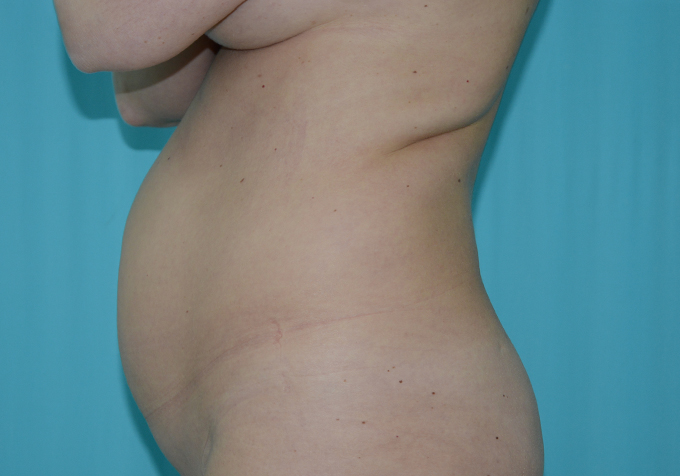


What is abdominoplasty?
Abdominoplasty is one of most popular and complex types of plastic surgery. During the procedure, a surgeon removes loose skin, fatty layer, creates a lifted abdominal wall. Patients are often interested: How much does such type of procedure cost? The price of a procedure depends on the amount of work and the type of procedure, determined after consultation with the surgeon. After all, during the procedure a client can additionally undergo liposuction and lipofilling, which will affect the cost.
Plastic surgeon Pavel Denishchuk is a professional with 30 years of experience and his own methods. He performs abdominoplasty in Kyiv.
Types of abdominoplasty
● Mini. The surgeon does not relocate the belly-button, works with a thin layer of fat and a small amount of skin.
● Medium. The procedure is carried out in the area below the belly-button, reshapes the proportions of the abdominal wall.
● Total. The anatomical appearance of the abdominal wall is restored with additional corrections of the waist, back, and upper buttocks.
Indications
● deformation of the anterior abdominal wall;
● “fatty apron”;
● postpartum deformity of the anterior abdominal wall along with skin laxity and sagging skin;
● divarication of the rectus abdominis muscle;
● removal of umbilical hernias.
Contraindications
● arterial hypertension or pulmonary failure;
● infectious diseases;
● digestive disorders;
● blood coagulation disorders;
● exacerbated diabetes mellitus;
● planned pregnancy within 2 years.
What results can be achieved due to the procedure?
Abdominoplasty along with abdominal liposuction makes it possible to create a lifted abdominal wall, thin waist, get rid of hanging, sagging skin.
Possible complications
Complications of abdominoplasty are as follows:
● Accumulation of fluid or blood in the early postoperative period. To prevent this, the surgeon sutures the area of the procedure, it is recommended to use tight bandaging or wearing special compression underwear. A complication occurs when the patient does not follow the recommendations for the recovery time.
● Skin peeling. It occurs when there is excess tension between the areas of the pubis and the belly-button. To avoid this, the clients shall support the stomach for the first days, avoid removing the bandages.
● Purulence. Occurs when patients violates the recovery scheme.
● Necrotization of the belly-button. Such complication occurs when sutures are applied too tightly.
● Stretching of the scar. This may happen in cases of tight suture, ignoring recommendations for recovery (patches are not applied, excessive physical activity).
Preparation for surgery
Smokers should avoid smoking for 2 weeks prior to abdominoplasty. This is to recover the tone of the blood vessels and minimize the risks of complications (bleeding, accumulation of blood).
A week before the procedure, the patient shall see a doctor, undergo blood and urine test, an ECG, additionally consult a plastic surgeon.
Also, patient’s diet is reviewed 7 days before the procedure. Fatty and spicy dishes, alcohol are excluded from diet.
The client shall have no dinner the night before the abdominoplasty. This is necessary for an empty stomach and ruling out of complications when general anaesthesia is used.
How is the surgical procedure done
The surgeon does site marking on the stomach. Then, the patient undergoes general anaesthesia based on the duration of abdominoplasty of 1.5 to 3 hours. Then the surgeon makes an incision in the upper part of the pubis. Excess skin, fat layer, including the so-called “fatty apron”, if any, are excised. Later, the aponeurosis and skin flaps are sutured.
Special aspects of rehabilitation (pieces of advice)
At least for the first 48 hours (depending on the complexity and scope of abdominoplasty) the patient shall stay in the clinic under the supervision of doctors. They shall take painkillers, anti-inflammatory drugs, and antibiotics after the procedure.
Providing there are no complications, the patient shall be discharged by Day 3. Sutures are examined by Day 7–10.
Fried, fatty, salty, spicy dishes, alcohol and exotic fruits are excluded from the patient’s diet for 3 weeks after abdominoplasty. It is prohibited to take aspirin-containing medicinal products.
The patient shall avoid physical activity for a month after the procedure: no sudden bends, turns, straightening of the back, no carrying of heavy weights. Throughout this period, the patient shall wear compression underwear at all times.
For 2 months after abdominoplasty of the anterior abdominal wall, the patient shall avoid saunas, baths, gyms, and going for swimming. It is also important to move around in a semi-flexed position for the first two weeks, gradually straightening up day-by-day. This shall minimize the risk of over-stretching of sutures and complications.
When all recommendations of the doctor are followed, the results of abdominoplasty will please the client for many years providing a thin waist and a slim silhouette.
