
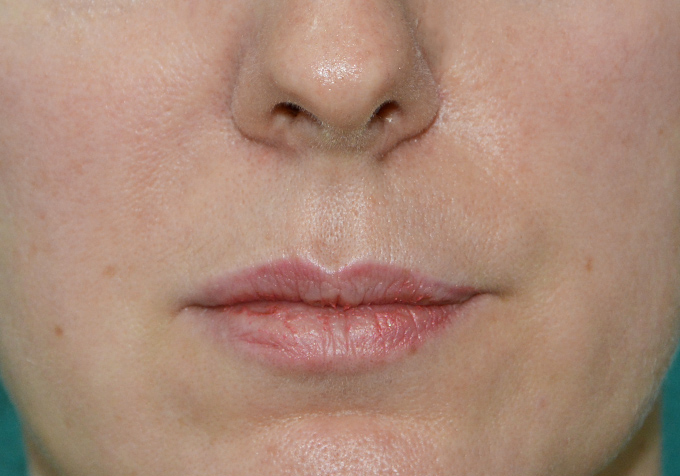
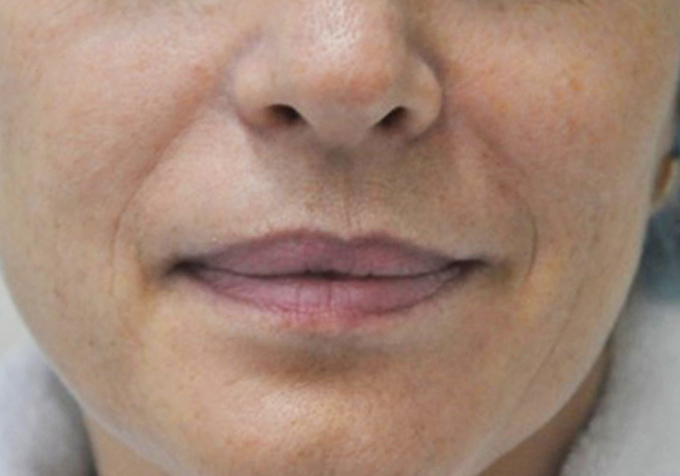
What is facial lipofilling?
Facial lipofilling is a modern procedure for the correction of age-related changes using the patient’s own adipose tissue. The main point of the procedure is simple: fat is taken from fat traps (zones of accumulation on the body or face), cleansed, enriched to increase survival rate and introduced into areas on the face where it is lacking due to age-related changes or congenital characteristics. This allows you to add volume, smooth wrinkles and rejuvenate your face.
The benefits of lipofilling:
● low-traumatic procedure;
● high survival rate of the material;
● suitable for patients with allergies and high activity of enzymes that destroy hyaluronic acid;
● can be used simultaneously with liposuction;
● complements ligature lifting and circular tightening.
Indications
● nasolacrimal groove;
● area around the eyes;
● cheekbone area;
● lips covered with a net of wrinkles;
● alignment of the contours of the lower jaw;
● black circles under the eyes;
● saggy earlobes;
● sunken temporal zone;
● deep wrinkles on the forehead and between the eyebrows.
These defects appear due to deficiency of adipose tissue in these areas and are found even in young patients (under 30 years of age). The volume deficit in these areas created a tired look and makes us look older.
Contraindications
● infectious diseases in the acute stage;
● neoplasms;
● scleroderma;
● violation of the integrity of the skin in the area ofthe procedure;
● vascular disease;
● fibrosis;
● exacerbated diabetes mellitus and hypertension.
For which areas is facial lipofilling indicated?
The procedure is used on the middle of the face and lower face. The price of lipofilling depends on the number of zones where adipose tissue will be injected, the skin condition of the patient. Therefore, the surgeon can state the cost only after a personal consultation.
What results can be achieved with the procedure
Plastic surgeon Pavel Denishchuk, during his consultations with patients, says that after lipofilling, not only the missing volume around the eyes, lips, temples, chin will be filled, but also small facial wrinkles will be smoothed out, the condition and skin tone will improve. This is achieved due to the content of stem cells in adipose tissue, which in the body turn into young skin cells, replacing old ones.
The effect after manipulation can be realistically evaluated after 4–6 months, when the transplanted adipose tissue finally takes root and the result from the work of stem cells appears.
Possible complications
Like any intervention, lipofilling of the nasolabial folds and other areas may be accompanied by side effects, namely:
● consolidation and lumps;
● infection;
● the appearance of tubercles;
● decreased sensitivity in the manipulation zone.
Complications can actually be avoided if you see a qualified surgeon and go to a clinic with positive reviews.
If problems arose after lipofilling, then they are corrected with the help of therapeutic and cosmetic procedures that are aimed at removing adipose tissue.
Preparation for surgery
Plastic surgeon Pavel Denishchuk recommends that smokers avoid smoking for 2 weeks before the procedure to minimize postoperative complications. This will have a positive effect on the state of blood vessels and blood circulation in general.
A week before lipofilling, the patient takes blood and urine tests, does an ECG, consults a therapist and a plastic surgeon. Also, before lipofilling, it is recommended to undergo a plasma therapy procedure for the necessary zone (intradermal injection of the patient’s own plasma enriched with growth factors), this improves fat survival.
How is the procedure done
From the fat traps (hips, abdomen, the area around the knees), the patient’s adipose tissue is taken. It is important that, in addition to adipocytes (adipose tissue cells), the selected material contains stem cells that contribute to rejuvenation and rapid regeneration. It is cleaned using a centrifuge, separating the fatty part from unnecessary water, which can create false volumes. Further, fat cells are additionally cleaned of connective tissue and blood, which become the cause of inflammatory processes. Then the fat is enriched with the patient’s blood plasma, saturating it with growth factors. This manipulation guarantees fat engraftment up to 80 percent.
Then, the purified adipose tissue under local anaesthesia is injected with a cannula into the areas with a deficit of volume. The surgeon does not make any incisions. Therefore, the procedure takes up to 1 hour.
What is the rehabilitation process like
A less traumatic procedure does not require a hospital stay. The patient is immediately discharged to go home. Possible bruising and swelling for the first few days — a normal body reaction to the procedure.
Traces after injections at the sites of intake and administration of fat will disappear in 10 days.
